

Things People Get Wrong About Septic Pumping
The world of septic pumping is rife with misconceptions. Many people underestimate the importance of maintaining their septic systems properly. Misunderstandings can lead to costly repairs and significant environmental impact. This article aims to dispel common myths and provide a clearer understanding of septic system maintenance. By addressing these misconceptions, homeowners can avoid unnecessary expenses and potential legal issues.
Understanding What Septic Pumping Entails
Clarifying the Purpose of Pumping
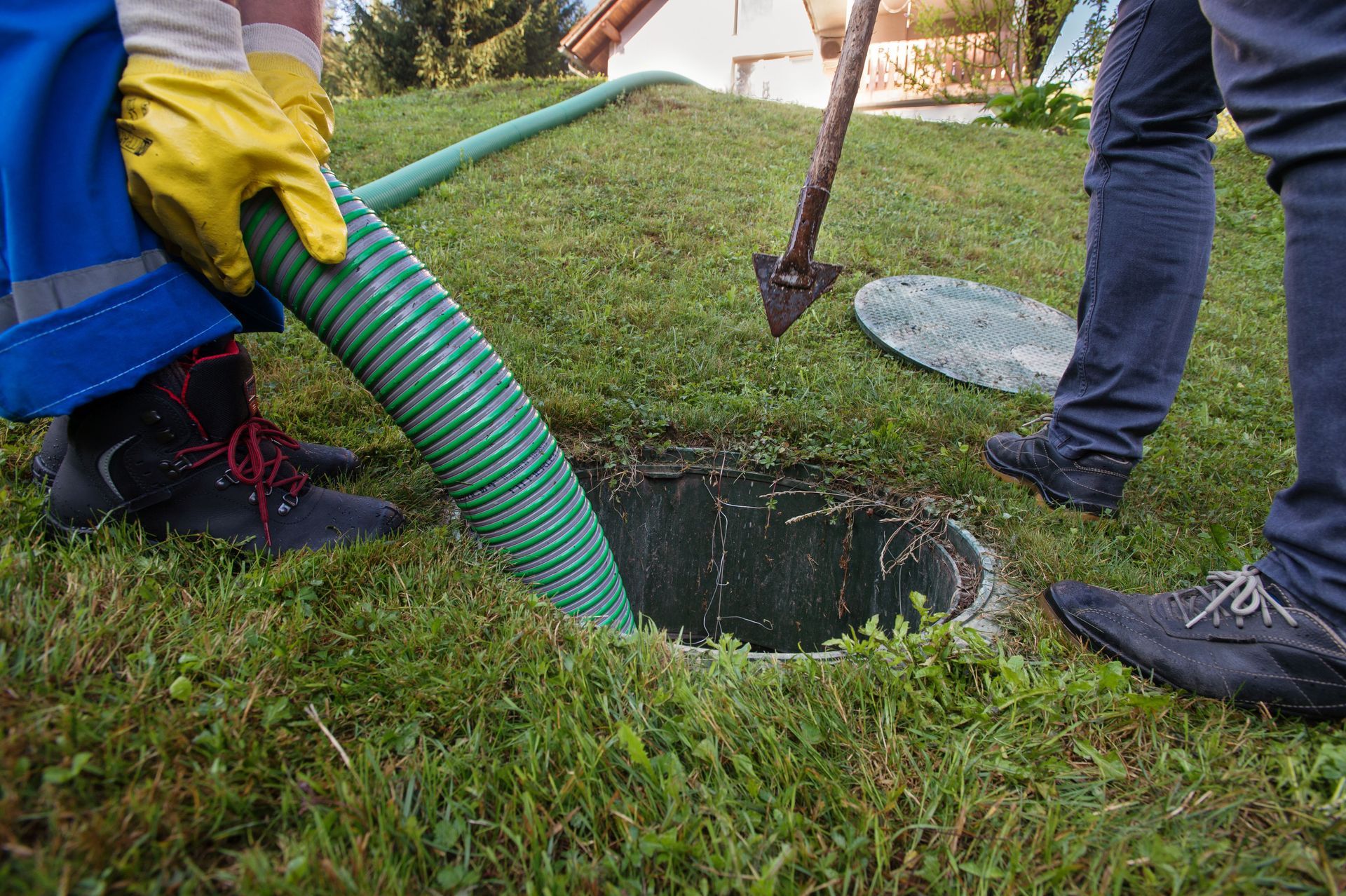
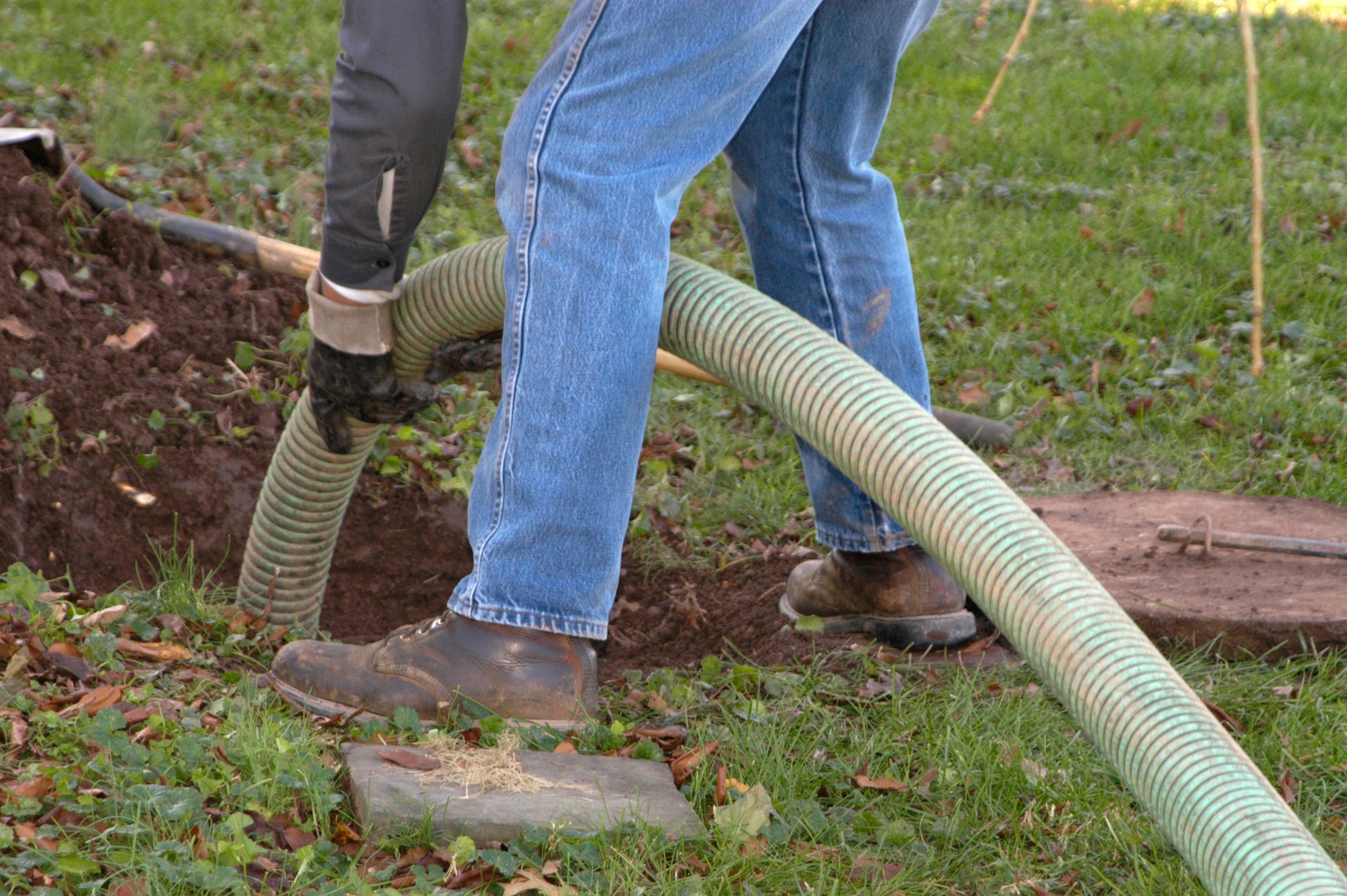
Septic pumping is often misunderstood as merely removing waste from the tank. However, the process involves maintaining the entire septic system to prevent clogs and system failure. Regular pumping ensures the system continues to treat wastewater efficiently. It's essential for preventing the accumulation of solids that can lead to backups. Proper septic pumping plays a vital role in maintaining the balance within the system.
Frequency Misconceptions
Many homeowners mistakenly believe septic pumping should only occur when problems arise. In reality, regular pumping is preventative, not reactive. By pumping every three to five years, you minimize the risk of costly repairs. Neglecting this aspect of maintenance often leads to severe system failures. Proactive pumping saves money and extends the life of the septic system.
Septic System Components Knowledge
Understanding the full scope of a septic system is crucial. Beyond the septic tank, there are drain fields, piping, and bacterial elements at play. All components work together to treat sewage and wastewater effectively. Ignoring any part of the system can lead to malfunctions and environmental issues. Knowledge of each component helps in recognizing potential issues early.
Material Types and Their Breakdown
A common myth is that all materials disposed of into a septic system will decompose. This assumption can result in serious clogs and system blockages. Materials like plastic, diapers, and sanitary products do not break down. Homeowners must be cautious with what they flush or drain into their systems. Awareness of biodegradable versus non-biodegradable items is fundamental.
Health and Environmental Implications
Misunderstandings exist about the safety and environmental impact of septic systems. Properly maintained systems are safe and environmentally friendly. However, neglect can lead to surface contamination and health hazards. Waste management must be approached with a focus on environmental preservation. Responsible septic management is crucial for community health and safety.
The Myths Around Cost and Savings
Long-term Costs vs. Short-term Expenses
There's a misconception that septic pumping is an unnecessary expense. Homeowners often choose to delay pumping to save money initially. However, neglecting maintenance leads to higher costs in the long term due to repairs and replacements. Investing in regular pumping ensures system longevity and efficiency. Preventative measures are cost-effective compared to repairing or replacing a failed system.
Insurance and Liability Risks
Many people are unaware of the legal and financial implications of neglected septic systems. Damage or failure can lead to significant liability and insurance issues. Ensuring regular maintenance avoids legal repercussions and property devaluation. Homeowners insurance often does not cover septic system failures due to neglect. Understanding these risks encourages prompt and proper system care.
DIY Septic Pumping Dangers
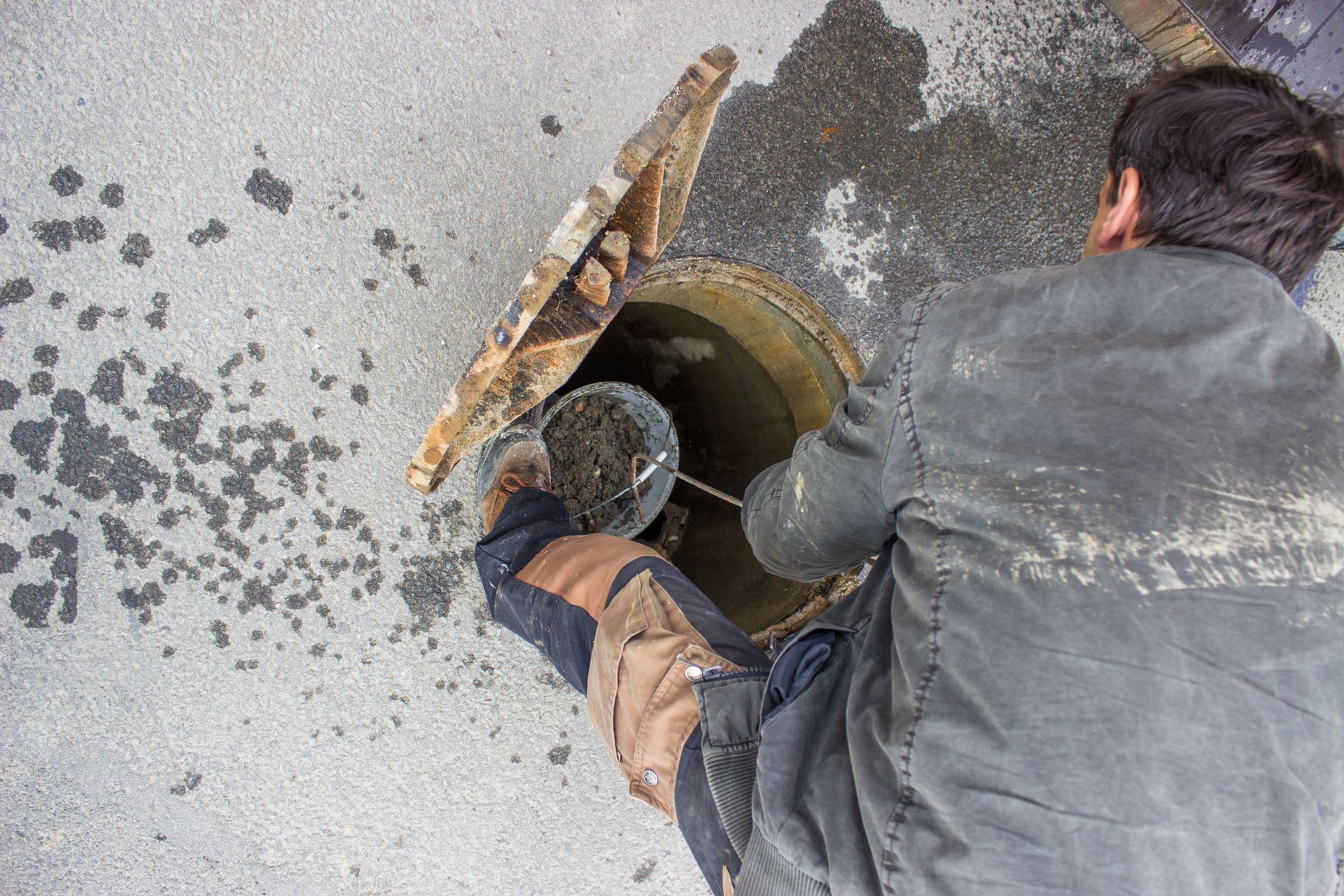
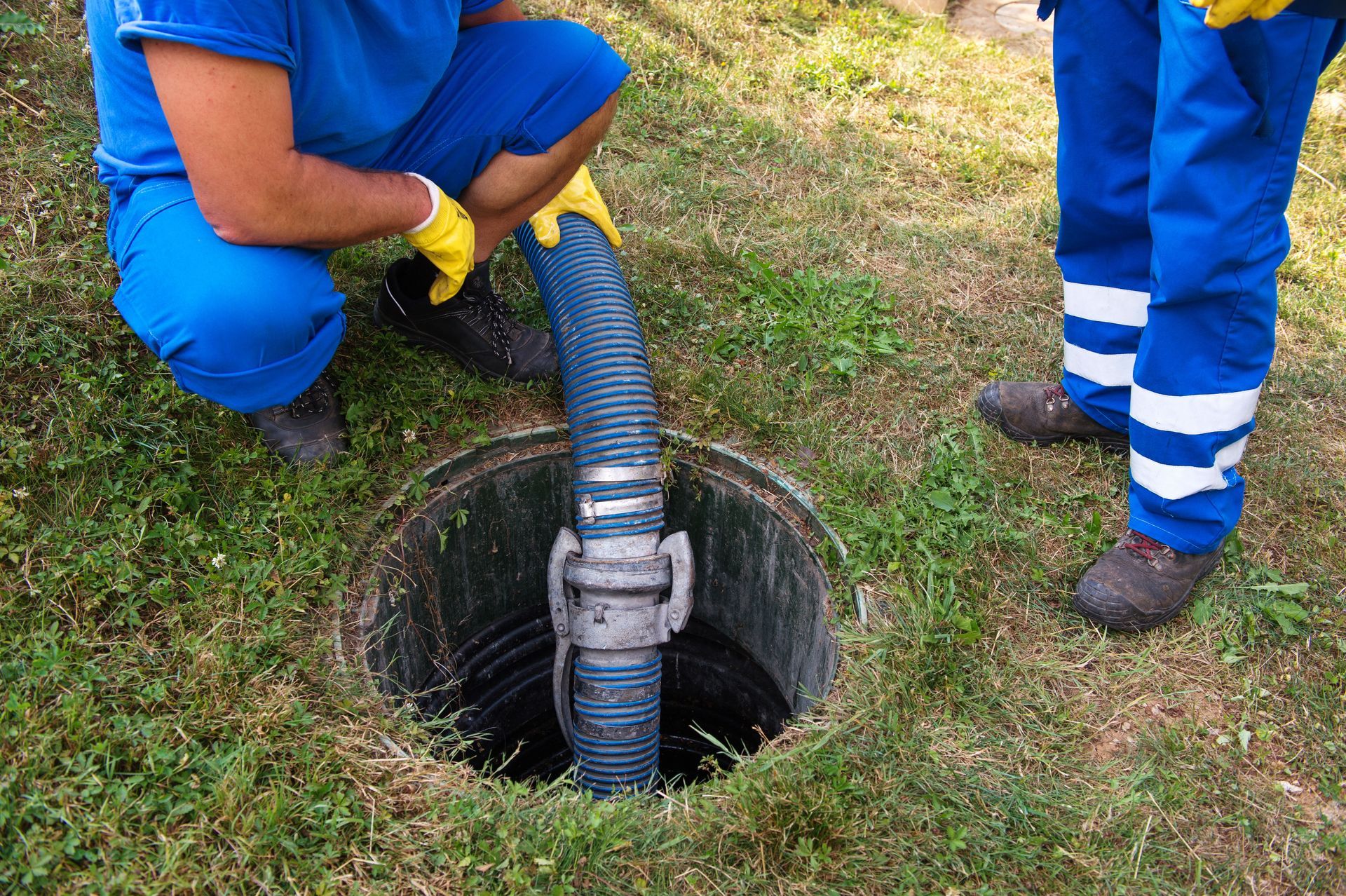
Some individuals consider DIY septic pumping to save costs. However, this is not only risky but also potentially illegal. Professional services have the necessary equipment and expertise to safely manage septic waste. DIY methods could result in hazardous waste exposure and improper disposal. Professional technicians ensure compliance with health and environmental regulations.
Understanding Service Cost Variations
The cost of septic pumping services can vary significantly. Several factors, including tank size, location, and accessibility, influence pricing. For instance, The Spruce notes that the average home’s tank capacity ranges from 1,000 to 1,500 gallons, impacting the frequency and cost of pumping. Understanding these factors helps homeowners budget appropriately for maintenance. Comparing local service providers ensures competitive pricing without compromising quality.
Cost-effective Practices
Implementing cost-effective practices is paramount for septic system efficiency. Reducing water usage and properly disposing of non-biodegradable items can prolong the system's life. Homeowners can also benefit from regular inspections and bacterial additives. These practices reduce the need for frequent pumping and prevent system strain. Informed household habits make septic maintenance more affordable and efficient.
Common Misunderstandings About Timing
The Role of Usage Frequency
Many people believe septic systems require uniform pumping schedules irrespective of household size. In truth, the frequency of use impacts how often pumping is needed. Larger households generate more wastewater and fill the tank faster. Regular assessments of household water usage help determine optimal pumping schedules. Adjusting your maintenance plan accordingly protects the system from overloading.
Seasonal Timing Myths
Another widespread myth is that there is a 'perfect' season for septic pumping. In reality, septic systems require attention throughout the year. Basing maintenance schedules solely on the season can lead to neglect. Consistent inspections and adherence to recommended pumping intervals matter more than timing with seasons. Regular maintenance prevents seasonal climate effects from exacerbating potential issues.
Waiting for Backups Before Pumping
Some homeowners only consider pumping after experiencing system backups. Waiting for problems to emerge can result in costly repairs and significant inconvenience. Proactive maintenance ensures the system operates efficiently and prevents minor issues from escalating. Monitoring tank levels and preemptively scheduling pumping avoids disruptions. Addressing maintenance needs promptly mitigates emergency situations.
The Impact of Geographical Location
Geographical location plays a crucial role in septic system maintenance. Climate conditions and local regulations influence how often a system should be pumped. Wetter climates might require more frequent pump-outs due to groundwater levels. Familiarity with local environmental data guides effective schedule structuring. Additionally, understanding local regulations ensures compliance and avoids penalties.
Reminders and Maintenance Schedules
Establishing regular pumping schedules is essential for system health. Setting reminders helps homeowners keep on track with maintenance needs. Tracking duration since the last pump-out aids in planning. Some service providers offer reminder services to assist homeowners. Staying organized with a consistent schedule optimizes system performance.
Misconceptions About System Capacity
Understanding Tank Size and Capacity
The size of the septic tank directly affects maintenance needs. Tanks range from 750 to 1,750 gallons, with the average home’s tank holding 1,000 to 1,500 gallons, as reported by The Spruce. Understanding tank size helps determine pumping frequency and prevents overflows. Mismatched maintenance schedules can lead to inefficient waste processing. Proper awareness of tank capacity contributes to successful septic management.
Overestimation of System Durability
Many believe septic systems are incredibly durable and can handle limitless waste. This misconception often leads to neglect and premature system failures. A septic system has finite capacity and requires regular care. Understanding system limitations prevents strain and extends lifespan. Regular maintenance ensures continued functionality and reliability.
Impact of Household Water Usage
Water usage patterns significantly affect the function of septic systems. High water consumption can overload the system, reducing efficiency. Educating households about water conservation practices is crucial. Implementing water-saving measures reduces the frequency of necessary pumping. Informed water usage habits lead to a well-balanced and efficient septic system.
Inappropriate Waste Disposal
Incorrect waste disposal is a major contributor to septic system issues. Flushing non-biodegradable items or hazardous chemicals harms system balance. These materials can cause clogs, tank imbalances, and environmental harm. Encouraging responsible waste disposal protects system integrity and environmental health. Awareness is key to maintaining a functional, safe septic system.
The Significance of Bacterial Balance
Bacterial balance is vital for an effective septic system. Beneficial bacteria break down solids and help maintain system functionality. Introducing harsh chemicals disrupts this balance, leading to inefficiencies. Ensuring a conducive environment for bacteria helps manage tank capacity. Utilizing bacterial additives can support the natural bacterial ecosystem within the tank.
The misconceptions surrounding septic pumping can lead to damaging neglect and unnecessary expenses. Understanding the complexities of septic systems aids in optimizing both maintenance and longevity. Addressing myths encourages responsible practices that protect financial and environmental interests. According to The Spruce, the average home’s tank holds 1,000 to 1,500 gallons, with sizes ranging from 750 to 1,750 gallons. With proper knowledge, homeowners can maintain effective septic systems and contribute to environmental preservation. Dispelling these myths creates informed, proactive septic maintenance approaches. Be sure to reach out to J. McKinnon Inc today for more information on our professional septic pumping company!




Share On: